Best rubbish collection near Grosvenor Square, Mayfair
Posted on 27/04/2026
If you live, work, manage property, or host events near Grosvenor Square, you already know that rubbish collection in this part of Mayfair is rarely a simple bin-and-go job. Access can be tight, timing matters, and the standard expected by residents, offices, landlords, and concierge teams is high. The best rubbish collection near Grosvenor Square, Mayfair is not just about removing waste quickly; it is about doing it discreetly, safely, legally, and without disrupting the day.
Whether you are clearing a townhouse basement, emptying an office after a lease-end, removing builders' rubble from a renovation, or simply dealing with an overflowing one-off load, the right service should make the process calm and predictable. In this guide, you will find a practical breakdown of how local rubbish collection works, what to look for in a provider, how to avoid common mistakes, and how to choose the most suitable option for your situation.
For a broader view of available support, you can also review the full services overview and the main rubbish removal in Mayfair service page.
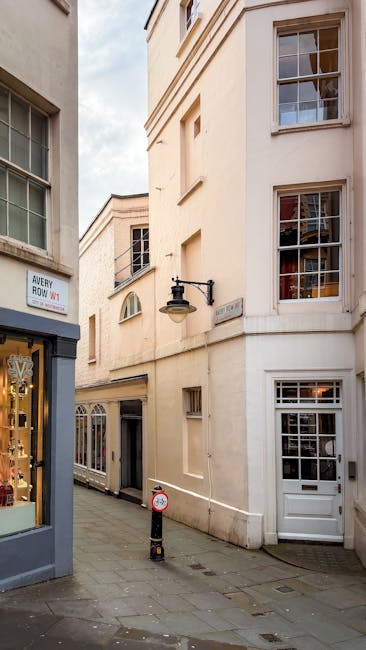
Why Best rubbish collection near Grosvenor Square, Mayfair Matters
Grosvenor Square sits in one of the most polished and closely managed parts of London. That changes the practical reality of rubbish collection. A bulky item left too long, a noisy collection at the wrong time, or an unplanned skip can create inconvenience for neighbours, damage relationships with building management, or trigger avoidable compliance issues. In short, local waste removal needs to fit the area, not fight it.
Mayfair properties are often a mix of high-value homes, boutique commercial spaces, embassies, hospitality venues, serviced apartments, and managed buildings. Each has its own access arrangements, security rules, and expectations for tidiness. In that context, a dependable provider is not simply moving waste from A to B. They are helping you keep the property presentable, reduce stress, and avoid operational friction.
There is also a practical environmental side. Responsible disposal should prioritise reuse and recycling where possible, rather than treating everything as general waste. If sustainability matters to you, it is worth reading the company's approach to recycling and sustainability before you book.
Expert summary: In a place like Grosvenor Square, the best rubbish collection service is discreet, punctual, well organised, and transparent about what happens to the waste after it leaves your property.
How Best rubbish collection near Grosvenor Square, Mayfair Works
Most local rubbish collection services follow a straightforward process, but the quality of the experience can vary significantly. A good provider will start by understanding the type and volume of waste, the access conditions, and your preferred timing. That initial conversation matters more than many people realise. It helps avoid over-ordering capacity, underestimating labour, or booking a vehicle that cannot easily access the property.
Typical rubbish collection in the Grosvenor Square area usually works like this:
- You describe the waste. This may include household items, office furniture, packaging, builders' debris, garden cuttings, or mixed clearance waste.
- A quote is prepared. Reputable companies will usually base this on volume, weight, type of waste, and access requirements. For cost expectations, review the provider's pricing and quotes page.
- A collection window is agreed. In Mayfair, timing can matter because of residents, deliveries, concierge constraints, and event schedules.
- The team arrives and assesses the load. For safety and fairness, the final price should reflect the actual rubbish removed, not vague assumptions.
- Items are loaded and sorted. Good operators separate recyclable and reusable materials where possible.
- The waste is taken for proper processing. Responsible disposal should be in line with UK waste expectations and duty-of-care practice.
The collection itself may take minutes or several hours depending on access, volume, and whether items need to be carried down stairs, lifted from basements, or removed from a managed building. If your property has unusual access, mention it early. A five-minute upfront conversation can save a very long day.
For service scope, see the full range of rubbish and clearance services, including specialised support for more complex jobs.
Key Benefits and Practical Advantages
Choosing the right rubbish collection service near Grosvenor Square is about more than convenience. It can improve how a property functions, how it is perceived, and how smoothly a wider project runs. That applies whether you are a homeowner, estate manager, letting agent, tenant, office manager, or contractor.
1. Faster turnaround
When waste is removed promptly, a room, hallway, courtyard, or loading area becomes usable again. This is especially helpful during move-outs, refurbishments, and event preparation.
2. Less disruption
Professional collection avoids the stop-start stress of trying to arrange multiple self-tips or coordinate a larger vehicle in a tight central London location.
3. Cleaner presentation
In Mayfair, presentation is not a minor detail. Clean entrances, tidy service areas, and uncluttered interiors matter to guests, residents, buyers, and staff alike.
4. More appropriate handling of mixed waste
Different materials need different treatment. Timber, green waste, metal, electronics, furniture, and general rubbish may not all be handled the same way.
5. Better compliance confidence
Using a proper service reduces the risk of disposal errors and poor handling practices. That is particularly useful for businesses and landlords with reputational risk to consider.
6. Support for property value and leasing activity
A property that is kept clear and well maintained is easier to show, manage, and hand over. If you are dealing with a sale or letting cycle, this can be a small but meaningful advantage. For related local insight, the articles on Mayfair real estate investments and selling houses and estates in Mayfair may also be useful.
Who This Is For and When It Makes Sense
Not every waste issue needs a major clearance. Sometimes a simple collection of a few bulky items is enough. Other times, you need a full property cleared with careful sorting and load planning. The smartest choice depends on what you are trying to achieve and how quickly you need it done.
This service is especially relevant for:
- Homeowners and tenants dealing with unwanted furniture, appliances, or accumulated household waste
- Landlords and estate managers preparing a property between occupancies
- Offices and professional services firms removing desks, chairs, archive waste, or refit debris
- Builders and contractors needing swift removal of rubble, packaging, and strip-out waste
- Garden and courtyard managers clearing green waste after seasonal maintenance
- Event organisers who need a venue or private space reset after a busy occasion
It also makes sense when waste is becoming a visual or operational problem. Maybe a storage room has drifted into chaos. Maybe a post-renovation pile is blocking access. Maybe an office move is approaching and you cannot afford delays. In those cases, a coordinated rubbish collection service is usually more efficient than trying to piece together ad hoc solutions.
If your need is more specialised, you may want to look at house clearance in Mayfair, office clearance, builders' waste disposal, garden waste removal, or broader waste clearance services.
Step-by-Step Guidance
Here is a practical way to approach rubbish collection near Grosvenor Square without overcomplicating it.
- Identify the waste clearly. List the main items and estimate roughly how much you have. Is it a few bulky items, a van-load, or a full clearance?
- Separate what should stay. Before booking, remove anything you want to keep. It sounds obvious, but it is one of the easiest mistakes to make during a busy move or refurbishment.
- Check access conditions. Note stairs, lifts, concierge requirements, loading restrictions, narrow corridors, or limited parking.
- Ask for a clear quote. A good quote should explain what is included, how pricing is calculated, and whether there are additional costs for heavy lifting or difficult access.
- Confirm timing. In a central London setting, collection timing should fit the building and the street, not just your diary.
- Prepare the area. Move items into one place if possible, and keep walkways clear so the team can work efficiently and safely.
- Request waste handling clarity. Ask how recyclable items are separated and where the waste goes after collection.
- Keep records if it is a business job. In office and commercial settings, it can be useful to save the invoice and any collection details for your internal records.
If you want a smooth start, consider making your first enquiry through the provider's about us page and reviewing their insurance and safety information before booking.
Expert Tips for Better Results
Small details make a noticeable difference in Mayfair. After all, the street may be elegant, but the back-of-house logistics still need proper planning.
Book earlier than you think you need to. Good time slots disappear quickly, especially when properties are being prepared for guests, buyers, or contractors. If you wait until the last minute, your options get narrower.
Photograph the waste before collection. This is helpful for quotes, especially when items are mixed or hard to estimate from memory.
Group similar materials together. Separating metal, cardboard, green waste, and furniture can make loading quicker and may support better recycling outcomes.
Be honest about access. If items must be carried down multiple flights of stairs or through a service entrance, say so. It helps avoid awkward surprises on the day.
Ask about fragile surroundings. In high-spec properties, protect flooring, walls, and corners before the team arrives. Experienced crews should be careful, but a bit of prevention never hurts.
Use one point of contact. A single decision-maker or concierge contact reduces confusion. It is a simple operational habit that prevents a lot of back-and-forth.
For longer-term planning around properties and occupancy, the local guides on moving to Mayfair and planning a Mayfair venue can provide useful context around the area's expectations and pace.

Common Mistakes to Avoid
Most rubbish collection problems are not dramatic. They are the result of small oversights that become expensive, awkward, or time-consuming.
- Choosing only on price. Cheapest is not always best, especially if the job involves access issues, mixed waste, or sensitive surroundings.
- Underestimating volume. A few items can turn into a full load once they are moved out of cupboards, basements, or storage rooms.
- Forgetting about access restrictions. In Mayfair, a vehicle may need to work around controlled loading, concierge rules, or limited stopping time.
- Mixing prohibited or specialist waste with normal rubbish. Electrical items, hazardous materials, and other special categories can require separate handling.
- Not asking what happens next. If sustainability or compliance matters, ask how the waste is sorted and processed.
- Leaving collection too late during a move or refit. Delays at the end of a project are rarely glamorous. They are just annoying.
The key is to treat rubbish collection like any other part of property management: small planning effort, large practical payoff.
Tools, Resources and Recommendations
You do not need a long checklist of specialist tools for a standard collection, but a few practical resources make the job easier.
| Resource | Why it helps | Best used for |
|---|---|---|
| Phone camera | Lets you document the waste and share clear images for a quote | Quick estimates, mixed loads, access checks |
| Simple room list | Keeps track of what stays and what goes | House clearance, office moves, storage clear-outs |
| Building access notes | Reduces confusion at the point of collection | Managed buildings, concierge arrangements, tight access |
| Packaging materials | Protects items you want to keep while waste is being removed | Refurbishments, removals, pre-sale preparation |
| Invoice and collection record | Useful for business admin and property files | Commercial clients, landlords, managing agents |
From a service perspective, it is worth using a provider that offers multiple related solutions rather than a one-size-fits-all approach. That gives you room to scale from a simple pickup to a fuller clearance if needed. A service page like this overview of services can help you compare options before you commit.
Also check practical trust signals: clear contact information, clear pricing guidance, safety information, and policies that show the business is properly run. Those details are not glamorous, but they matter.
Law, Compliance, Standards, or Best Practice
Waste handling in the UK is not something to treat casually. You do not need to become an expert in environmental law to book a collection, but you should expect the company you hire to follow good practice and handle waste responsibly.
At a practical level, that means using a provider that can explain how waste is collected, transported, and dealt with after removal. It should also mean clear boundaries around hazardous items, electrical goods, and anything that needs special handling. If you are unsure whether an item is suitable for standard collection, ask before the team arrives.
For businesses and landlords, record-keeping matters too. Keeping invoices, collection notes, and correspondence is a sensible habit. It helps with internal compliance, landlord records, and general accountability. If your organisation has its own procurement or supplier checks, review the provider's policy pages such as terms and conditions, privacy policy, payment and security, and modern slavery statement.
For local best practice, the goal is simple: choose a service that is careful, transparent, and proportionate to the job. If something feels vague, ask for clarification. A trustworthy company will not mind.
Options, Methods, or Comparison Table
There are several ways to deal with rubbish near Grosvenor Square, and the best one depends on urgency, quantity, and the type of material involved.
| Option | Best for | Pros | Limitations |
|---|---|---|---|
| One-off rubbish collection | A few bulky items or a mixed small load | Fast, convenient, minimal disruption | May not suit very large jobs |
| Full clearance service | House, office, or property empties | More comprehensive, better for larger projects | Takes more planning and coordination |
| Builders' waste removal | Renovations and construction debris | Good for rubble, packaging, and strip-out material | May require careful separation of waste types |
| Garden waste removal | Courtyard, terrace, or seasonal garden work | Handy for green waste and cuttings | Not ideal for mixed heavy debris |
| Office clearance | Workspace moves or upgrades | Efficient for furniture, IT items, and office clutter | Needs planning around business hours and access |
If the job is straightforward, a collection service may be all you need. If the property is being emptied room by room, a structured clearance is usually the better route. And if you are unsure, ask the provider to recommend the most practical option. Good companies do not force the same answer on every customer.
Case Study or Real-World Example
Consider a common Mayfair scenario: a landlord needs a flat near Grosvenor Square cleared between tenancies. The previous occupier has left a few pieces of furniture, a broken wardrobe, boxes of mixed household items, and some general clutter in a storage cupboard. The property is in a managed building, so access must be pre-approved, and collection needs to happen within a narrow window to avoid disturbing other residents.
In that situation, the best outcome is usually not a rush job. The practical route is to:
- photograph the items in advance
- confirm lift and loading access with the building team
- book a collection window that suits the building schedule
- ask for a clear price based on the actual load
- ensure reusable or recyclable items are separated where possible
Once the collection is completed, the property can be cleaned and prepared for viewings or the incoming tenant without last-minute pressure. The result is not just a tidier flat. It is a smoother handover, a better presentation, and less risk of delay.
That is the real value of good rubbish collection near Grosvenor Square: it removes friction, not just waste.
Practical Checklist
Use this checklist before booking a rubbish collection in Mayfair.
- Identify exactly what needs removing
- Separate items you want to keep
- Take photos of the load
- Note access details, stairs, lifts, and parking restrictions
- Check whether any items may need specialist handling
- Ask for a clear quote and confirm what is included
- Choose a collection time that suits the building and neighbours
- Make sure the route to the waste is clear
- Confirm how the company approaches recycling and disposal
- Keep a record of the booking and invoice if needed
If you are preparing a property for sale, relocation, or a business move, you may also find the local context articles on living in Mayfair and moving advice useful for planning around the area's pace and expectations.
Conclusion
The best rubbish collection near Grosvenor Square, Mayfair should feel organised, discreet, and reassuring from the first enquiry to the final sweep-up. In an area where buildings are managed carefully and presentation matters, the right service saves time, protects standards, and makes property work much easier to handle.
Focus on clear communication, sensible pricing, responsible disposal, and a team that understands local access and timing challenges. If you do that, you will usually end up with a smoother collection and far less stress. And frankly, that is the point.
Get a free quote today and see how much you can save.

 Tipper Van - Rubbish Collection and Attic Clearance Prices in Mayfair, W1K
 Luton Van - Rubbish Collection and Attic Clearance Prices in Mayfair, W1K