Clearing renovation debris on Mount Street, Mayfair
Posted on 02/06/2026
Clearing renovation debris on Mount Street, Mayfair: a practical guide for smooth, discreet waste removal
Renovation projects in Mayfair can be elegant, ambitious, and a little messy in the middle. If you are clearing renovation debris on Mount Street, Mayfair, you already know the awkward part is rarely the design or the decorating. It is the aftermath: broken plaster, timber offcuts, old fittings, packaging, dust, and that surprising mountain of material that seems to appear overnight. In a high-value, high-footfall area like Mount Street, the job needs more than brute force. It needs planning, care, and a tidy finish that respects the building, the neighbours, and the street itself.
This guide explains how renovation debris clearance works, what to expect, how to avoid common mistakes, and when professional help is worth it. You will also find a checklist, a comparison table, and a few local-minded tips that make the whole process less stressful. To be fair, this is one of those tasks that looks simple until you are standing beside a pile of rubble at 7:30 in the morning wondering where on earth it all goes.
If you want a broader look at local context and property activity in the area, you may also find these pages useful: exploring Mayfair as a local retreat, local views on Mayfair living, and property investment tips for Mayfair.
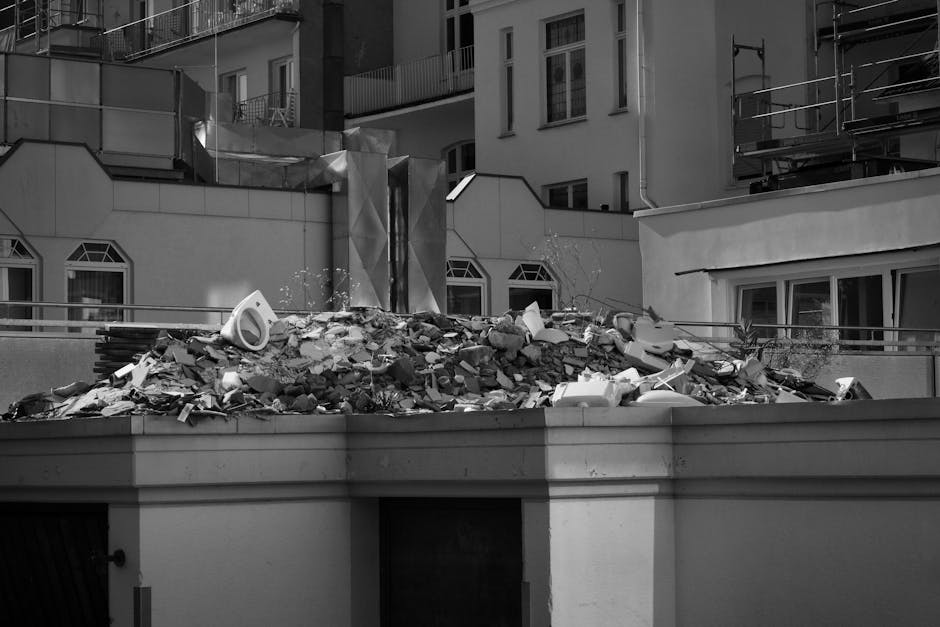
Why Clearing renovation debris on Mount Street, Mayfair Matters
Mount Street is not the kind of place where messy waste can linger unnoticed for long. It is a polished part of Mayfair with residential properties, boutiques, dining, and frequent pedestrian activity. That means renovation debris is not just an inconvenience; it can affect access, presentation, safety, and the overall pace of a project. A tidy site keeps the work moving, and let's face it, nobody wants a half-finished room surrounded by sacks of plasterboard for days on end.
There is also a practical reason this matters. Renovation debris is heavier, sharper, and more awkward than ordinary household rubbish. It can include rubble, tiles, broken bathroom suites, wood offcuts, metals, packaging, insulation, and sometimes mixed waste that needs separating before it can be removed properly. If you leave it unmanaged, it can block pathways, slow down trades, and create unnecessary risk for anyone moving through the property.
In Mayfair, presentation matters almost as much as progress. A well-managed clearance helps you keep good relations with neighbours, building managers, and contractors. It also reduces the chances of damage to entrances, lifts, hallways, and shared areas. For anyone working in a townhouse, apartment, office, or retail unit, that is a real advantage.
There is another angle too: environmental responsibility. Many renovators now want waste handled with recycling in mind, not just dumped and forgotten. A better clearance approach separates recyclable materials where possible and keeps disposal efficient. If that side of the process matters to you, it is worth looking at the company's approach to recycling and sustainability before you book anything.
How Clearing renovation debris on Mount Street, Mayfair Works
The process usually starts with an assessment of what has been produced during the renovation. That can be a quick visual check or a more detailed review if the work is substantial. The aim is simple: identify what needs removing, what can be recycled, what may need special handling, and how the load will move out of the property without causing disruption.
In many cases, renovation waste is collected in stages rather than all at once. That is especially helpful if trades are still working. You might have a first clearance after demolition, then a second removal once fixtures, packaging, and finishing materials start to pile up. This staged approach keeps rooms usable and avoids a last-minute scramble.
From there, the waste is sorted and loaded. On Mount Street, access matters. Narrower entrances, shared hallways, parking restrictions, loading limitations, and the need to work quietly can all shape the plan. A good clearance service will think about these details before lifting anything. That means fewer delays and less chance of problems on the day.
Professionals handling builders waste disposal in Mayfair usually know how to deal with typical renovation loads such as plaster, bricks, timber, metal, tiles, bathroom fittings, kitchen units, and general construction packaging. If your project is more involved, a specialist service like builders waste disposal in Mayfair is often the most suitable route.
For some properties, a broader service is helpful. If the renovation has overlapped with a decluttering project, or if a room has been emptied before new fixtures arrive, combining clearance with waste removal in Mayfair can simplify scheduling. One job, one plan. Much easier.
Key Benefits and Practical Advantages
Clearing renovation debris properly does more than make the place look better. It keeps the whole project under control. That sounds obvious, but in practice it is where many jobs go sideways.
- Faster progress: Trades can work more efficiently when the site is not cluttered with debris.
- Lower risk of damage: Removing sharp, heavy, or dusty waste early helps protect floors, walls, and fixtures.
- Better presentation: Important in Mount Street properties, where tidy access and discretion matter.
- Safer working conditions: Clear pathways reduce trips, slips, and awkward lifting.
- More predictable costs: When waste is sorted and measured properly, you reduce the chance of surprise charges.
- Improved recycling outcomes: Segregated waste is often easier to process responsibly.
There is also a practical emotional benefit. A cleared room feels like progress. You can see the shape of the project again. That matters more than people admit. Renovation can be noisy and a bit exhausting, especially if you are living on site while the work is happening. Seeing the debris go is often the first moment where the project starts to feel real rather than chaotic.
If your renovation is tied to a move, a sale, or a change in use, timely debris clearance can help the property present better. For related insight into local property dynamics, see commercial and residential sales in Mayfair.
Who This Is For and When It Makes Sense
This service is useful for a wide range of people, and not just full-scale contractors. In fact, many of the most common calls come from property owners and managers dealing with smaller but still awkward renovation loads.
- Homeowners: Kitchen refits, bathroom upgrades, loft conversions, internal redecoration, and structural improvements all create debris.
- Landlords and letting agents: Turnaround works between tenancies can produce mixed renovation and clearance waste.
- Interior designers and project managers: They often need a tidy site between deliveries and installation phases.
- Office and retail operators: Fit-outs and refurbishments generate packaging, fixtures, flooring, and old furniture.
- Developers and contractors: Larger volumes of builders waste need a reliable removal plan.
It makes sense when you need debris removed quickly, when you do not have the room for skip placement, or when the property layout makes loading difficult. Mount Street can be busy and elegant at the same time, which is a slightly funny combination until you have to organise waste collection around it. Then it is very real, very fast.
It also makes sense when you want less disruption. A careful collection on site can be preferable to leaving a skip outside for days, especially where access, security, and street appearance matter. For urgent or awkward loads, the page on same-day bulky waste removal in Mayfair may also be helpful.
Step-by-Step Guidance
Here is a practical way to approach renovation debris clearance without overcomplicating it.
- Identify the waste type. Separate rubble, timber, metal, packaging, fixtures, and anything that may need special handling.
- Estimate the volume. You do not need exact science, but it helps to know whether you are dealing with a few bulky items or multiple tonnes of material.
- Check access. Measure doorways, stairwells, lifts, and any loading restrictions. In older Mayfair buildings, this step matters more than people expect.
- Protect the route. Cover floors and vulnerable surfaces before anything is moved.
- Schedule the removal. Try to align clearance with the end of messy work, not halfway through it, unless you need staged collections.
- Load safely. Heavy items should be handled with the right lifting technique and, where necessary, with two people or mechanical help.
- Sort for recycling. Separate what can be recovered so less ends up as residual waste.
- Confirm the site is clean. A final sweep or vacuum makes a huge difference, especially in residential or high-spec commercial spaces.
A good rule of thumb: if you are hesitating over whether something is rubbish, waste, reusable, or recyclable, deal with that question before collection day. Last-minute sorting is where delays happen. And delays have a way of multiplying, annoyingly.
Expert Tips for Better Results
After seeing enough renovation jobs, a few patterns become obvious. The smooth ones are rarely the ones with the smallest waste piles. They are the ones where someone planned properly.
1. Keep debris separate from usable materials.
Even during a busy refurb, set aside materials that can be reused, donated, or stored. A neat stack of reusable timber is easier to handle than a mixed pile of sawdust and broken plasterboard.
2. Don't wait until the room is full.
If rubble or fittings are building up fast, book clearance earlier. Overflow creates more damage risk and makes the property feel chaotic.
3. Think about neighbours and timing.
Mount Street is not the place for avoidable noise at awkward hours. A quiet, efficient collection is usually better than a long, noisy one.
4. Match the method to the access.
If a property has tight hallways or limited parking, a man-and-van style collection can be more practical than larger container-based options.
5. Ask what happens after collection.
Not every service is equal. It is fair to ask how the waste will be sorted and whether recyclable materials will be separated.
One more thing. Keep a small buffer in your plan. Renovation work nearly always produces one extra pile you forgot about. It is almost a law of nature, or at least of refurbishment.

Common Mistakes to Avoid
The most expensive errors usually come from rushing. That is the honest truth. Here are the ones worth avoiding.
- Mixing all waste together: This can make sorting harder and may reduce recycling opportunities.
- Underestimating volume: A few broken cabinets and a bathroom suite can fill more space than expected.
- Ignoring access constraints: Narrow stairways, lift limits, and loading access can create major delays if not planned in advance.
- Leaving debris in shared areas: This creates inconvenience for others and may cause complaints.
- Not checking what is included: Some clearances exclude heavy, awkward, or specialist materials unless agreed beforehand.
- Leaving the final sweep to chance: Dust and small fragments can linger long after the main waste is gone.
There is also a subtle mistake people make: assuming all "builders waste" is the same. It is not. Broken tiles, treated wood, plasterboard, metal, paint tins, insulation, and mixed renovation waste can each behave differently in the sorting and disposal process. That is why a quick conversation before collection matters.
Tools, Resources and Recommendations
You do not need a warehouse full of equipment to clear renovation debris well, but the right basics make a serious difference.
- Heavy-duty rubble sacks: Useful for smaller fragments, but do not overload them.
- Protective gloves and footwear: Sharp edges and broken materials are no joke.
- Dust sheets or floor protection: Important in finished hallways and shared entrances.
- Trolleys or dollies: Helpful for moving heavy items without dragging them.
- Labels or marker pens: Good for separating recyclable items or identifying priority waste.
- Vacuum or brush kit: A final clean-up saves a lot of frustration later.
From a service perspective, it is smart to look at a company's services overview so you understand what types of waste they handle. If you want a clearer idea of how pricing is typically approached, the pricing and quotes page is also a sensible place to start. It helps you compare like with like rather than guessing.
For business or household decision-making more broadly, the rubbish collection in Mayfair and waste removal in Mayfair pages provide useful context on how different services fit together. If you are comparing providers, also take a look at about us for background on the company and working approach.
Law, Compliance, Standards, or Best Practice
Renovation debris removal sits within ordinary waste-handling best practice, so it is sensible to treat it carefully. In the UK, waste should only be passed to a legitimate carrier or handler, and it should be dealt with responsibly rather than left in a way that creates nuisance, obstruction, or safety issues. That is the broad principle. The exact obligations can vary depending on the materials involved and the property type, so it is always wise to check the practical details before work begins.
For homeowners and businesses alike, a few common standards apply:
- Duty of care: Waste should be managed responsibly from the point it is produced to the point it is disposed of.
- Safe handling: Heavy and sharp debris should be lifted, stacked, and moved with care.
- Appropriate segregation: Mixed waste should be separated where practical to improve recycling and handling.
- Site protection: Common areas, pavements, and entrances should not be damaged or left dirty.
Insurance and safety matter too. If a contractor is involved, it is reasonable to ask how they manage risk, what happens if something is damaged, and how they keep workers and residents safe during removal. You can read more on the site's insurance and safety information. That is the sort of detail people skip until something goes wrong. Better not to.
For trust and operational transparency, it can also help to review pages such as terms and conditions, privacy policy, payment and security, and accessibility statement. They are not the glamorous part of the process, granted, but they do signal a more organised and transparent service.
If sustainability or responsible sourcing matters to your project team, the company's modern slavery statement may also be relevant as part of wider supplier checks.
Options, Methods, or Comparison Table
There are a few ways to deal with renovation debris on Mount Street, and the right choice depends on volume, access, timing, and how visible the work is. Here is a simple comparison.
| Method | Best for | Pros | Watch-outs |
|---|---|---|---|
| Manual bagging and self-disposal | Very small jobs | Low equipment needs, simple to organise | Time-consuming, tiring, and awkward for heavy rubble |
| Skip hire | Larger, slower renovations with suitable access | Good capacity, useful for ongoing works | Space, permits, visibility, and loading constraints can be tricky in Mayfair |
| Dedicated waste collection | Mixed renovation debris and quicker turnaround | Flexible, efficient, less disruption to the street | Needs accurate volume estimates and access planning |
| Staged clearance | Projects with multiple phases | Keeps the site clear as work progresses | Requires coordination, but usually worth it |
For many Mount Street properties, dedicated collection or staged removal is the neatest answer. It tends to be less intrusive and easier to fit around the realities of the building. If the job is urgent, bulky, or awkward, there is a strong case for a responsive collection rather than waiting for a larger, slower setup.
Case Study or Real-World Example
Picture a mid-size apartment refurbishment on Mount Street. The project includes a new kitchen, refreshed flooring, and a bathroom upgrade. By the end of demolition, the team has broken tiles, old cabinets, plaster fragments, packaging, and a few awkwardly large fittings stacked in the hall. Nothing outrageous. But enough to become a problem if left there.
The site manager chooses a staged clearance. First, the heavy demolition waste is removed as soon as the messy strip-out is complete. That frees the kitchen area for follow-on trades and keeps the entrance clear. A second collection is arranged later in the week for packaging, leftover materials, and the final clean-out before handover. Simple, but effective.
The main win is not dramatic. It is calm. The building remains presentable, the residents are not tripping over random debris, and the fit-out team can keep working without stopping to shift rubble every hour. That is the kind of result people remember because it saves energy and reduces friction. In renovation work, friction is expensive.
For a property close to the commercial and residential mix that defines central Mayfair, that sort of discreet and organised approach usually works best. It fits the pace of the area and respects the people around it.
Practical Checklist
Use this checklist before booking or carrying out debris clearance.
- Identify the main waste types on site.
- Estimate how much needs removing.
- Confirm access points, parking, and loading restrictions.
- Protect floors, corners, and shared areas.
- Separate reusable or recyclable materials where possible.
- Decide whether one collection or staged removal is better.
- Check whether any items need special handling.
- Ask about insurance, safety, and waste processing.
- Set a clear time window for removal.
- Plan a final sweep or clean after the debris goes.
Expert summary: The best renovation debris clearance on Mount Street is usually the one that feels almost invisible. It is planned in advance, timed around the build, respectful of the property, and finished with a proper clean-up. Fast is good. Careful is better. The sweet spot is both.
Get a free quote today and see how much you can save.
Conclusion
Clearing renovation debris on Mount Street, Mayfair is really about keeping a refined project under control. When the waste is managed well, the renovation feels calmer, safer, and more professional. That matters whether you are upgrading a private home, refitting an office, or finishing a design-led refurbishment that needs to look immaculate from the street.
The key is to plan for access, sort the debris sensibly, choose a removal method that suits the property, and stay mindful of compliance and safety. Do that, and the whole job becomes much easier. You will notice the difference straight away: fewer delays, fewer complaints, and a cleaner handover at the end.
If you are ready to clear the space and move the project forward, the next step is simple. Choose a method that fits the building, the waste, and the timeline. Then let the site breathe a bit. Honestly, it is a relief when the rubble is gone and the room starts looking like itself again.

 Tipper Van - Rubbish Collection and Attic Clearance Prices in Mayfair, W1K
 Luton Van - Rubbish Collection and Attic Clearance Prices in Mayfair, W1K